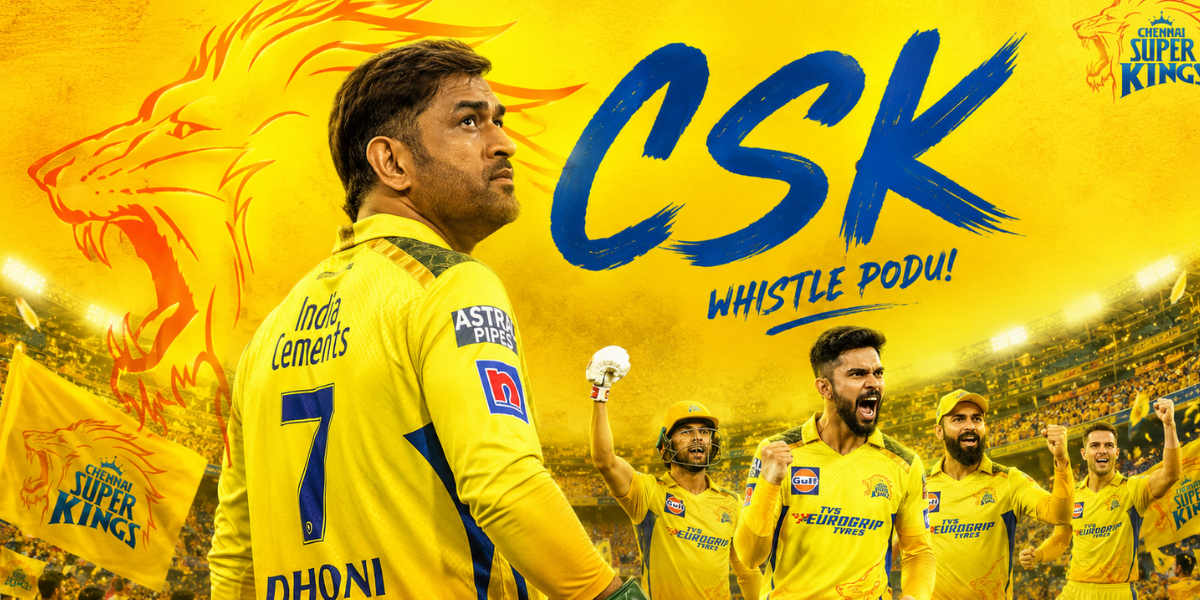
Why CSK Was Banned: The Full Story Behind Chennai Super Kings’ Two-Year IPL Suspension

The Chennai Super Kings (CSK) have been a very successful and well-loved franchise in the history of the Indian Premier League. With a huge and loyal following, constant high-level play, and the legendary leader MS Dhoni, CSK created a legacy that most teams could not equal. However, even with all their past accomplishments, the franchise experienced one of the darkest events in IPL history when they were suspended for two seasons. Many new cricket fans still wonder, “Why CSK Was Banned?”
The debate over CSK’s ban incited significant conversation in worldwide cricket circles, leading to widespread confusion amongst supporters. These questions included whether CSK were the reason for match-fixing or if the ban related to their use of gambling as a business model.
This article will explain in detail the CSK ban for 2 years, the verdict regarding whether they actually engaged in influencing matches through fixing, and how the outcome of this ban ultimately altered the future of the IPL.
The Rise of Chennai Super Kings Before the Ban
It is important to describe how dominant the franchise was before analyzing the reason why CSK was banned in the 2016 and 17 IPL seasons.
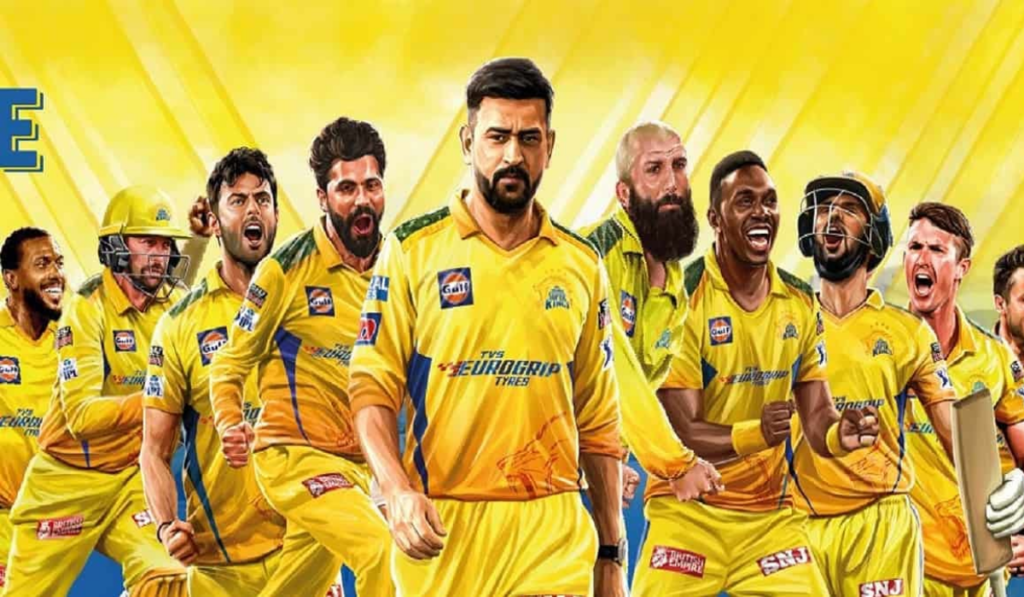
The Chennai Super Kings were established in 2008 and soon thereafter developed into one of the best teams to play in the IPL. Under the leadership of MS Dhoni, the franchise made it to multiple finals and won IPL championship titles back-to-back in 2010 and 2011.
The franchise demonstrated a level of consistency unprecedented for professional franchises:
- Qualified for the playoffs every season beginning with 2008, continuing until the ban occurred in 2015
- Won two IPL championship titles before being banned
- Extensive fan base throughout India
- Led by N. Srinivasan with solid professional management support
Due to CSK being so professional and consistently successful, the ban was particularly surprising.
The 2013 IPL Spot-Fixing and Betting Scandal
Why was CSK banned? The answer as to why CSK was banned begins with the IPL betting and spot-fixing scandal that occurred during IPL 2013. While the Delhi Police arrested three Rajasthan Royals players during IPL 2013 for alleged spot-fixing, the investigation turned into a larger betting network involving bookies and individuals associated with various IPL franchises.
Through this spot-fixing scandal, the investigators came across Gurunath Meiyappan, who was very closely associated with Chennai Super Kings and was also the son-in-law of N. Srinivasan, the president of BCCI during that time. Gurunath Meiyappan was charged with:
- Illegal Betting on IPL Matches
- Sharing insider team information
- Maintaining Contact with Various Bookmakers
This incident eventually became the reason why CSK Was Banned for 2 years.
Read more: IPL Ticket Price | IPL Teams 2026
Who Was Gurunath Meiyappan?
Confusing the reasons for CSK’s ban is the involvement of Gurunath Meiyappan. When questioned by the press, CSK’s officials said Meiyappan was just a fan, but after a great amount of inquiry, it was found that he had played a large role in the business side of the franchise. The panel assigned by the Supreme Court looked at evidence that showed Meiyappan had been present at the following events:
- Auction of players for the franchise
- Strategy meetings for the franchise
- Dugouts used by players of the franchise
His presence was critical because under the rules of the IPL, if a team official does something wrong, then that could cause the entire team to be penalized.
Was CSK Banned for Fixing or Betting?
CSK was not banned for match-fixing; CSK was banned because a team official was involved in illegal betting activities. There is no evidence that any players were involved in match-fixing, and there was no evidence of a match-fixing incident involving any players on the Chennai Super Kings’ roster. It’s important for fans to remember, when asking, “Why CSK Was Banned for match-fixing or betting?” that the correct answer is CSK’s ban happened because an official of the team was convicted of illegal betting and not because of any player having been found guilty of match-fixing activities.
However, because of public discourse, many fans have made erroneous assumptions about the involvement of CSK in match-fixing.
The Mudgal Committee Investigation
The Supreme Court created the Mudgal Committee, headed by former Chief Justice Mukul Mudgal, to investigate this matter. The committee reviewed supporting evidence, call records, witness testimony, and financial records. The findings were as follows:
- Gurunath Meiyappan was a Chennai Super Kings team official.
- He was involved in betting activity.
- His conduct violated the IPL operational rules.
These findings focused scrutiny on the CSK franchise, which could lead to disciplinary action against them.
The Lodha Committee Verdict
After issuing the Mudgal Committee recommendations, the Supreme Court mandated the appointment of the Lodha Committee, chaired by R.M. Lodha, a former Chief Justice of India.
The committee was tasked with establishing a punishment.
On July 14, 2015, the Lodha Committee made its historic ruling:
- Chennai Super Kings are suspended for 2 years.
- The Rajasthan Royals are suspended for 2 years.
- Gurunath Meiyappan is banned from engaging in any cricket-related activities
- There are punishments for Raj Kundra (who is associated with the Rajasthan Royals)
This ruling established the official answer to the question of why CSK was banned in the 2016 and 17 IPL Tournaments.
Why CSK Was Banned in the 2016 and 17 IPL?
A large number of fans have a common query: Why CSK Was Banned in the 2016 and 2017 IPL?
The answer to this question is based on timing.
The entire saga started back in 2013; however, it took almost two years for investigations to be completed, as well as legal action and committee investigations to finish, before we received a final decision. The final decision against CSK came in mid-2015, meaning the 2016 and 2017 seasons were the two seasons during which CSK was banned from playing.
So the reason that CSK was suspended from the IPL from 2016 to 2017 is that the disciplinary measures placed on them by the Lodha Committee took effect after the 2015 IPL.
Why Did the Entire Franchise Get Punished?
An additional frequently asked question regarding the banning of CSK, as per the Lodha Committee, was that one “official” has caused an entire franchise to suffer. The Lodha Committee stated that franchises are responsible for the behavior of their officials.
Their reasoning was:
Ownership Responsibility
Franchises must ensure their officials adhere to all IPL rules.
Integrity of the Tournament
To keep public confidence, harsh punishment was required.
Deterrent
The committee wanted to deliver a clear message to all franchises.
The strict accountability was the main reason why CSK Was Banned for 2 years.
How CSK’s Suspension Impacted IPL
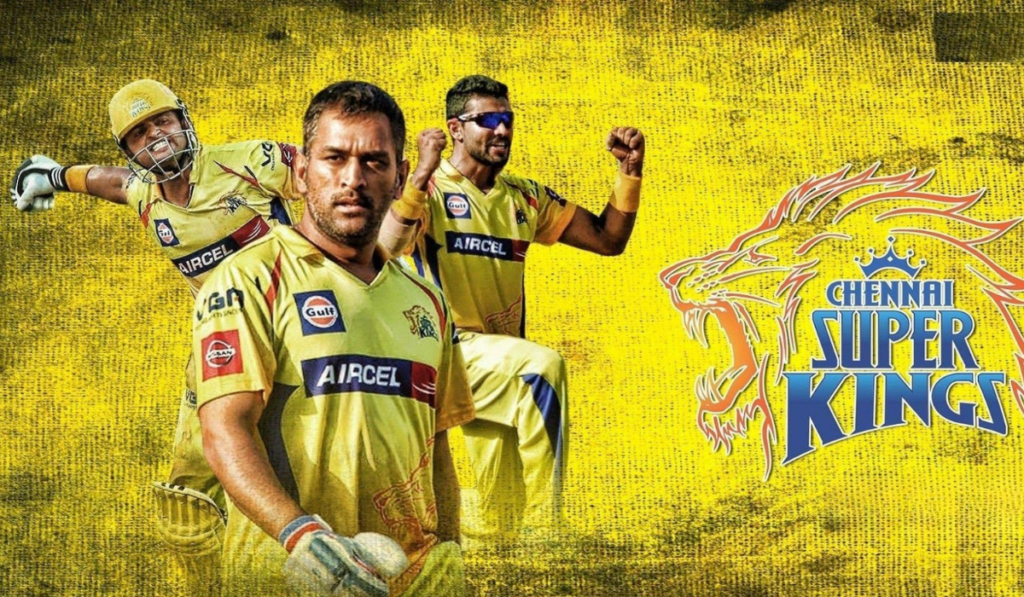
The IPL has felt the consequences of the Chennai Super Kings’ absence.
Beginning in 2017, the IPL began to replace the suspended teams with two new franchises, both having a temporary status:
- Rising Pune Supergiant
- Gujarat Lions
The sanctioning of CSK during the suspension period caused challenges in the following areas:
- Lower Fan Engagement – CSK’s fan base is one of the largest in the IPL.
- Broadcast Appeal – The presence of CSK has a high impact on television ratings for matches involving teams that play against them.
- Player Movement – During the ban on CSK, many former CSK players moved to their replacement franchises; for example, MS Dhoni played for Rising Pune Supergiant during his suspension.
CSK’s Return in 2018
CSK was back in the IPL in 2018 after serving its two-year suspension. Many thought they wouldn’t be able to compete at the top level immediately. However, they won the title by shocking everyone with their play and proving they had one of the best comebacks in sports history. It showed that while they had received a punishment, their core of players was still vibrant.
Did the Ban Damage CSK’s Reputation?
The response was mixed as a result of the suspension affecting the franchise; many continued to debate whether CSK Was Banned for fixing or betting.
There were many reasons as to why trust began to build back up:
- No players were found guilty of match-fixing
- The franchise fully complied with the suspension
- The team had a strong performance after resuming play
- Support from fans was maintained
Today, CSK is considered one of the most well-respected franchises in the IPL.
Final Answer: Why CSK Was Banned
The official reason why CSK was banned from the IPL in 2016 and 2017 was that one of their former officials, Gurunath Meiyappan, was found guilty of illegal betting during the 2013 IPL; he did not directly fix any matches but rather committed an act of misconduct as a member of the senior management team, thereby violating the integrity rules set by the IPL.
In summary, if someone asks, “Was the CSK banned for match-fixing or illegal betting?” the answer is they were banned for illegal betting by an official, not for having committed match-fixing.
Hence, that statement fully explains why CSK was banned from playing in the 2016 and 2017 IPL and is one of the largest and most severe punitive actions in the history of cricket.
FAQs: Why CSK Was Banned
Why CSK Was Banned in IPL?
CSK was banned in the IPL because team official Gurunath Meiyappan was found guilty of illegal betting during IPL 2013.
Why did the CSK ban 2016 and 2017?
CSK was banned in 2016 and 2017 because of the 2015 verdict of the Lodha Committee.
What happened in 2016 with CSK?
CSK was suspended in the 2016 IPL and was replaced by a new team, the Rising Pune Supergiant.
Why did CSK get banned for 2 years?
CSK was banned for 2 years because of franchise accountability for the betting-related misconduct of Gurunath Meiyappan.